


CROSSVILLE ONCE HOME TO HIGH-SECURITY PRISONER-OF-WAR CAMP FOR ELITE SOLDIERS IN 1942-1945



Inmates
The inmates were primarily German and Italian POWs, with a unique designation for officers, holding over 1,500 prisoners in its system. The prisoners initially had comfortable conditions, working in local fields (beans, tobacco) and clearing land. They were allowed to buy beer and wine, publish their own newspaper, and even take piano lessons, but treatment grew harsher as news of German atrocities emerged, leading to reduced rations and increased guard scrutiny. German and Italian officers were kept in separate quarters because they frequently clashed; local accounts mention they would often throw rocks at each other. Eventually, most Italian prisoners were relocated to Arizona.

Above: German POWs from the North Afrika Campaign
(Above Credit Reddit)


Above non-specified POWs
(Above Credit for both pics: Facebook Images)
Gerhard Hennes
Hennes was a German officer who was captured in North Africa on May 13, 1943. Five months later, after short stays in a dozen different holding facilities, he entered the gates of Camp Crossville. He was imprisoned there for two years.
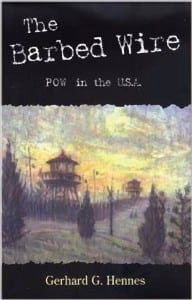
After World War II, Hennes would become an American citizen and in 2004 published “The Barbed Wire: POW in the USA.” In it he gives a detailed description of life at Camp Crossville.
To summarize, Hennes and his fellow prisoners were treated better than any prisoners of war. They were given new uniforms, they were not interrogated and they were mostly left to the authority of their own German officers.
The best part of Camp Crossville, Hennes claims, was the food. “There were three square meals a day,” he wrote. “Breakfast included long forgotten or newly cherished things like scrambled eggs, crisp bacon, fresh orange or V8 juice; all kinds of cereal; and hot cakes soaked in maple syrup.”
They were even paid. Since he was a lieutenant, Hennes was given $20 per month. The German prisoners used this money to buy beer, cigarettes, books and just about whatever they chose to order from the Sears catalog. They passed the time taking classes taught by other prisoners, participating in tennis and soccer leagues they organized, playing cards and drinking beer.


Autographed Photo from Gerhard Hennes
(Credit You Tube Left) Click to see brief 1 minute video
(Credit E-Bay above Right)
“Many evenings were filled with the noise of animated talk, of fists banging cards on the table and of singing, laughing and bawling,” he writes.
In what must have been one of the bizarre coincidences of World War II, Hennes was a prisoner at the same camp as his father, Friedrich Hennes. The elder Hennes was captured by Americans in Europe in the fall of 1944. Sent to a camp in Colorado, he asked for and was granted a transfer to Crossville. Too old to participate in the company sports leagues, Friedrich Hennes watched his son play. “Father came to be one of my most loyal — and least knowledgeable — supporters,” Hennes wrote. “He would not miss a soccer or tennis match.”
Intelligence Gathering
The U.S. military used bugged barracks to gather intelligence from the officers, who often revealed information to local women. Women in the region were recruited to process and analyze top-secret intelligence, including, for example, breaking, analyzing, and deciphering intercepted enemy communications.
Intelligence was primarily gathered through the use of local women to bypass the refusal of officers to cooperate during formal interrogations. Because officers often lied or remained silent during official questioning, American authorities used the women to establish informal social contact. The prisoners would frequently “brag to the girls” about their backgrounds, identities, and future movements. Local women formed a group known as MUFFS (Maidens Unified For Fun Society). They sent baked goods to the officers and engaged in social interactions that made the prisoners feel comfortable enough to reveal information.
The “Granny” Incident
In a bizarre escape attempt, three German submariners fled into the mountains only to encounter a local woman. When they ignored her command to “git,” she shot one dead. When the deputy arrived, she reportedly wept—not because she killed a man, but because she thought they were “Yankees” (Northern Americans) rather than Germans.
While historians often cite this as a humorous illustration of lingering Civil War-era sentiments in rural Tennessee, there is no official military record confirming a prisoner was killed by a civilian in this manner at Crossville. Most recorded deaths at the camp were from natural causes, though one prisoner did die following a physical altercation with the camp commander.
“Herman the German”
On the night of his escape, as he emerged from the tunnel, he was caught in a searchlight and shot by guards after refusing to surrender. He reportedly suffered a leg injury that required amputation and died just a few days later.

People also have reported hearing strange noises outside their cabin windows late at night.
Staff members have occasionally captured photos of “glowing orbs” or unexplained lights in the wooded areas of the campgrounds.
“Herman the German” is widely considered to be a local legend or ghost story associated with the camp’s history, rather than a documented historical figure with a real photograph of his capture. The actual name of the escaped prisoner mentioned in historical documents and FBI posters was Wolfgang Hermann Hellfritsch.
An extensive search was performed; however, no photograph of an orb or any other indication of Herman in the spirit world was available online. The following is the mugshot of the officer that “Herman the German” was based upon.

Article from 29 Oct 1943 The Tennessean (Nashville, TN)
Legacy
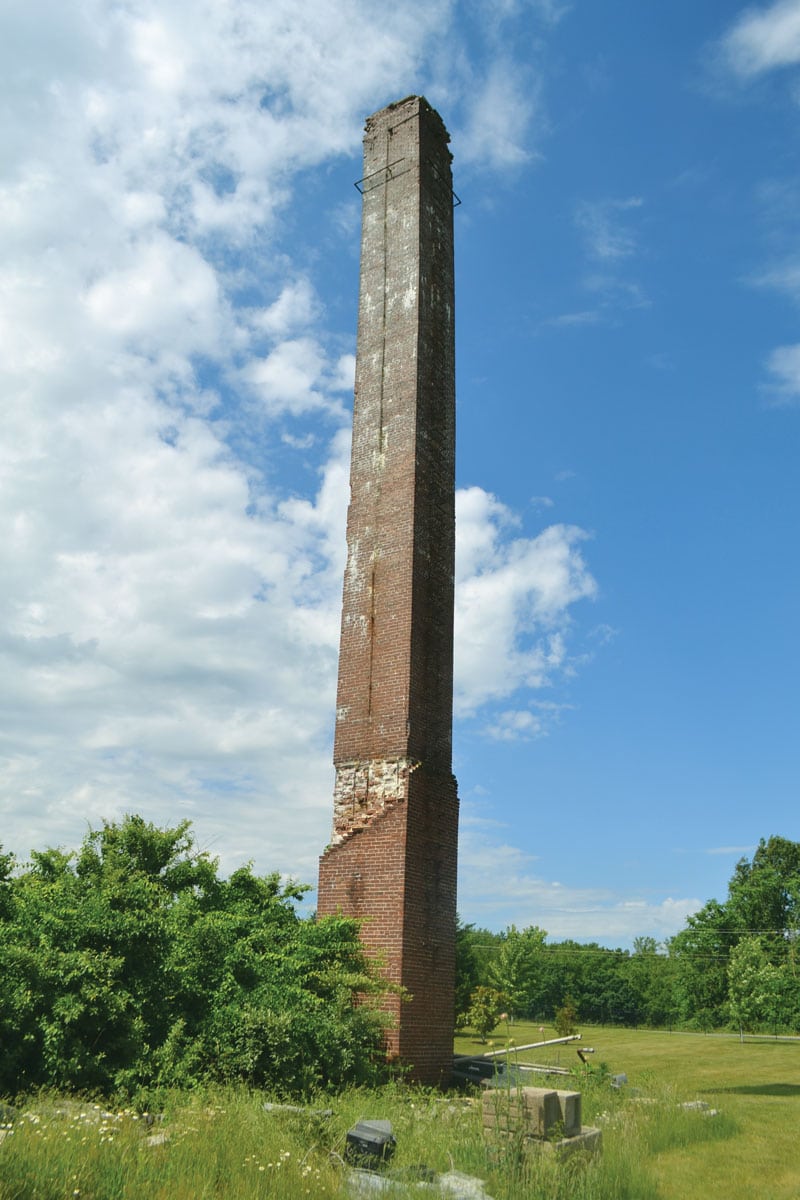
Today, the camp site is the Clyde M. York 4-H Center (part of the University of Tennessee), preserving some structures and historical markers from the POW era. The Crossville Military Memorial Museum features an exhibit about the POW camp and German officer Gerhard Hennes’s book, “The Barbed Wire,”.
(Clyde York Pictured below)

(Facebook Images)